








Domiciliary care, also known as home care, is often misunderstood. There are many misconceptions surrounding both the people who receive care and those who work in the sector. Unfortunately, these myths can prevent people from seeking the support they need or considering a rewarding career in care.
The reality is that high-quality home care helps people maintain their independence, stay connected to their communities, and continue living safely and comfortably in the place they know best: their own home.
At Ailsa Care, everything we do is guided by our Three Cs: Compassion, Competence and Culture. These values shape the way we deliver care, support our colleagues, and build meaningful relationships with the people we care for. They are at the heart of everything we do and help us provide personalised support that promotes dignity, independence and wellbeing.
The Three Cs in Action
Compassion
Compassion is at the heart of great care. We understand that every person is unique, which is why we take the time to get to know the people we support, their preferences, routines and what matters most to them. We believe care should always be delivered with empathy, respect and kindness.
Competence
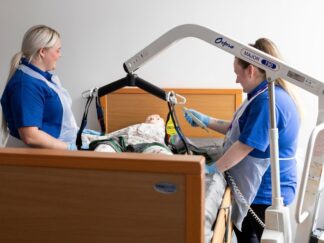
Providing excellent care requires the right knowledge, skills and training. Our care teams receive comprehensive training and ongoing development opportunities to ensure they can provide safe, effective and person-centred support with confidence.
Culture
Our culture is built on teamwork, communication and mutual respect. We encourage our colleagues to support one another, learn from experiences and work together to provide the best possible outcomes for the people we care for.

Misconceptions About Working in Domiciliary Care
Working in Care Doesn’t Require Any Skills
One of the biggest misconceptions about care work is that it doesn’t require specialist skills or training.
While previous care experience is not always necessary, being a great care professional requires a combination of compassion, communication skills, patience, problem-solving abilities and professional knowledge.
At Ailsa Care, all new colleagues receive comprehensive training and support before working independently. Ongoing learning and development ensure our teams have the skills and confidence to provide high-quality care that reflects our values and meets the needs of the individuals we support.
Care Workers Only Help With Personal Care
Many people assume that domiciliary care only involves helping someone wash, dress or complete other personal care tasks.
In reality, care professionals provide a wide range of support tailored to each individual. This may include companionship, medication support, meal preparation, assistance with shopping, helping people attend appointments, supporting hobbies and interests, and encouraging independence in everyday life.
For many people, a friendly conversation and familiar face can be just as valuable as practical support.
Care Work Isn’t a Rewarding Career
Some people view care as a temporary role rather than a long-term career. However, many care professionals find the role incredibly fulfilling because they have the opportunity to make a genuine difference to someone’s day, every day.
Whether it’s helping someone remain independent in their own home, providing reassurance during a difficult time, or simply sharing a conversation over a cup of tea, care workers play an important role in improving people’s quality of life.
There Is No Career Progression in Care
The care sector offers a wide range of career opportunities and progression pathways.
Many people begin their careers as care professionals before progressing into senior care roles, care coordination, quality assurance, training, management and specialist support positions.
With ongoing professional development and training opportunities available, a career in care can be both varied and rewarding.
Misconceptions About Receiving Domiciliary Care
Domiciliary Care Is Only for Older People
While home care can provide valuable support for older adults, it is not exclusively for them.
At Ailsa Care, every care package is tailored to the individual. Before care begins, we work closely with the person and their family to understand their needs and create a personalised support plan.
Receiving Care Means Losing Your Independence
Many people worry that accepting support at home means giving up their independence.
In reality, domiciliary care is designed to help people maintain and maximise their independence. The purpose of domiciliary care is not to take over but to provide the right level of support so individuals can continue doing as much as possible for themselves.
Whether that means helping someone manage daily tasks, maintain routines or remain active within their community, care can empower people to live independently for longer.
Having Care Workers in My Home Will Feel Uncomfortable
It is completely natural to feel uncertain about welcoming someone new into your home.
However, many people find that this concern fades quickly as trust develops. Building positive relationships is an important part of home care, and our teams work hard to ensure people feel comfortable, respected and supported.
For many individuals, their care professional becomes a familiar and trusted part of their routine, providing both practical support and companionship.
Domiciliary Care Is Only for People Who Live Alone
Another common misconception is that home care is only needed by people who live on their own.
In reality, many people who live with family members also benefit from domiciliary care. Home care can provide additional support that helps both the individual receiving care and their loved ones.
Family carers often provide significant levels of support and may welcome additional assistance to help them balance caring responsibilities with work, family life and personal wellbeing.
Services such as respite care can provide valuable opportunities for family carers to rest, recharge and take time for themselves while knowing their loved one is receiving high-quality support.

Final Thoughts
Domiciliary care continues to be surrounded by misconceptions that do not reflect the reality of modern home care services.
The truth is that home care helps people maintain their independence, remain connected to their communities and continue living comfortably in the place they call home. It also provides rewarding career opportunities for compassionate individuals who want to make a positive difference in the lives of others.
By challenging these myths and sharing accurate information, we hope more people feel confident exploring the support available to them and their families.
At Ailsa Care, our commitment to Compassion, Competence and Culture is at the heart of every visit, every conversation and every care plan. Through personalised, person-centred support, we help people live independently, safely and with dignity in the comfort of their own homes.
See Also









Our partners