






Winter Safety is especially important for older adults during the colder months. As temperatures drop and weather conditions become more unpredictable, the risks of falls, heating-related accidents and severe weather increase. Taking simple precautions can help people remain safe, warm and independent throughout winter.
At Ailsa Care, we are committed to supporting people to live safely in their own homes all year round. This guide shares practical winter safety advice, including falls prevention tips, heating safety guidance and ways to stay informed about weather alerts.
Why Winter Safety Matters
Winter brings increased risks from ice, snow, cold temperatures and severe weather. Understanding the importance of winter safety can help older adults remain safe, warm and independent at home.
Falls Prevention During Winter
Falls are one of the most common causes of injury among older adults, and icy conditions can significantly increase the risk. Taking a few preventative steps can help reduce the likelihood of a fall.
Keep Walkways Clear
If you need to go outside, ensure paths, driveways and entrances are free from leaves, ice and snow. Gritting walkways can improve traction and help prevent slips.
Wear Appropriate Footwear
Choose shoes or boots with non-slip soles and good ankle support. Avoid wearing loose-fitting slippers, socks on hard floors, or worn-out footwear that could increase the risk of slipping.
Improve Lighting
Winter mornings and evenings are darker, making it harder to spot trip hazards. Ensure hallways, stairs and entrances are well-lit. Motion-sensor lights can be especially useful around outdoor areas.
Remove Indoor Hazards
Simple household hazards can become more dangerous during winter when people spend more time indoors. Consider:
- Securing loose rugs
- Keeping pathways clear of clutter
- Tidying trailing cables
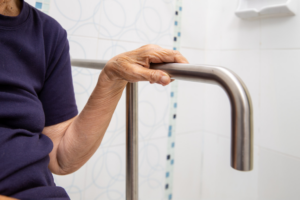
- Installing handrails where needed
Stay Active
Gentle exercise can help improve balance, strength and coordination. Activities such as walking, chair exercises or stretching can help maintain mobility and reduce the risk of falls.
Heating Safety Tips
Keeping warm is important for health and wellbeing, particularly for older adults and those with underlying health conditions. However, heating systems should always be used safely.
Service Boilers and Heating Systems
Arrange regular servicing of boilers, gas appliances and central heating systems to ensure they are functioning safely and efficiently.
Test Smoke and Carbon Monoxide Alarms
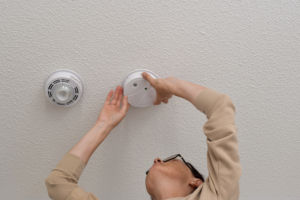
Smoke alarms should be checked regularly, and carbon monoxide alarms should be installed near fuel-burning appliances.
Use Portable Heaters Safely
If using portable heaters:
- Keep them at least one metre away from furniture, curtains and bedding
- Never cover heaters with clothes or towels
- Turn them off when leaving the room or going to sleep
Avoid Overloading Sockets
Increased use of heating equipment can lead to overloaded extension leads and sockets. Always follow manufacturer guidance and avoid plugging too many appliances into one outlet.
Keep Warm Without Overspending
There are several ways to retain heat at home, including:
- Closing curtains before dusk
- Draught-proofing doors and windows
- Wearing multiple layers of clothing
- Using blankets when sitting for long periods
Staying Informed About Weather Alerts
Winter weather can change quickly, making it important to stay informed and prepared.
Monitor Local Weather Forecasts
Checking daily weather updates can help you plan journeys, appointments and activities safely.
Prepare an Emergency Kit
Having a few essentials readily available for winter safety can provide peace of mind during severe weather. Consider keeping:
- Bottled water
- Non-perishable food
- A torch with spare batteries
- Mobile phone chargers
- Essential medications
Check on Vulnerable Loved Ones
Family members, neighbours and care professionals can all play a role in ensuring vulnerable individuals remain safe during extreme weather. Regular check-ins can help identify any issues before they become serious.
Keep Key Contact Numbers Accessible
Ensure emergency contact details, healthcare providers and utility companies are easy to find if needed.
How Home Care Can Help During Winter
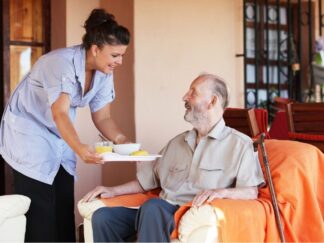
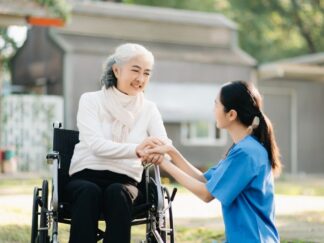
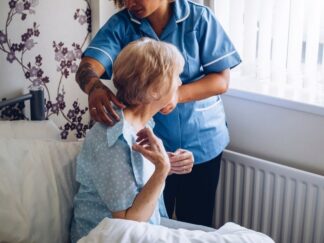
Professional home care services can provide valuable support during the colder months. Care professionals can assist with:
- Safe mobility around the home
- Medication support
- Shopping and errands
- Meal preparation
- Monitoring wellbeing
- Reducing feelings of isolation
Regular visits can provide reassurance and help individuals remain safe, comfortable and independent throughout winter.
Winter Safety Starts with Preparation
Winter should be a time to enjoy the season, not worry about preventable accidents or health risks. By taking practical steps to prevent falls, staying warm safely and keeping informed about weather alerts, older adults can remain safe and independent in their own homes.
At Ailsa Care, we understand that everyone’s needs are different. Our dedicated care teams provide personalised support that helps people stay safe, comfortable and confident whatever the weather.
If you would like to learn more about our home care services, contact your local branch today.
See Also



Our partners